Rodent and Wildlife Removal for Your Home
Request an estimate today
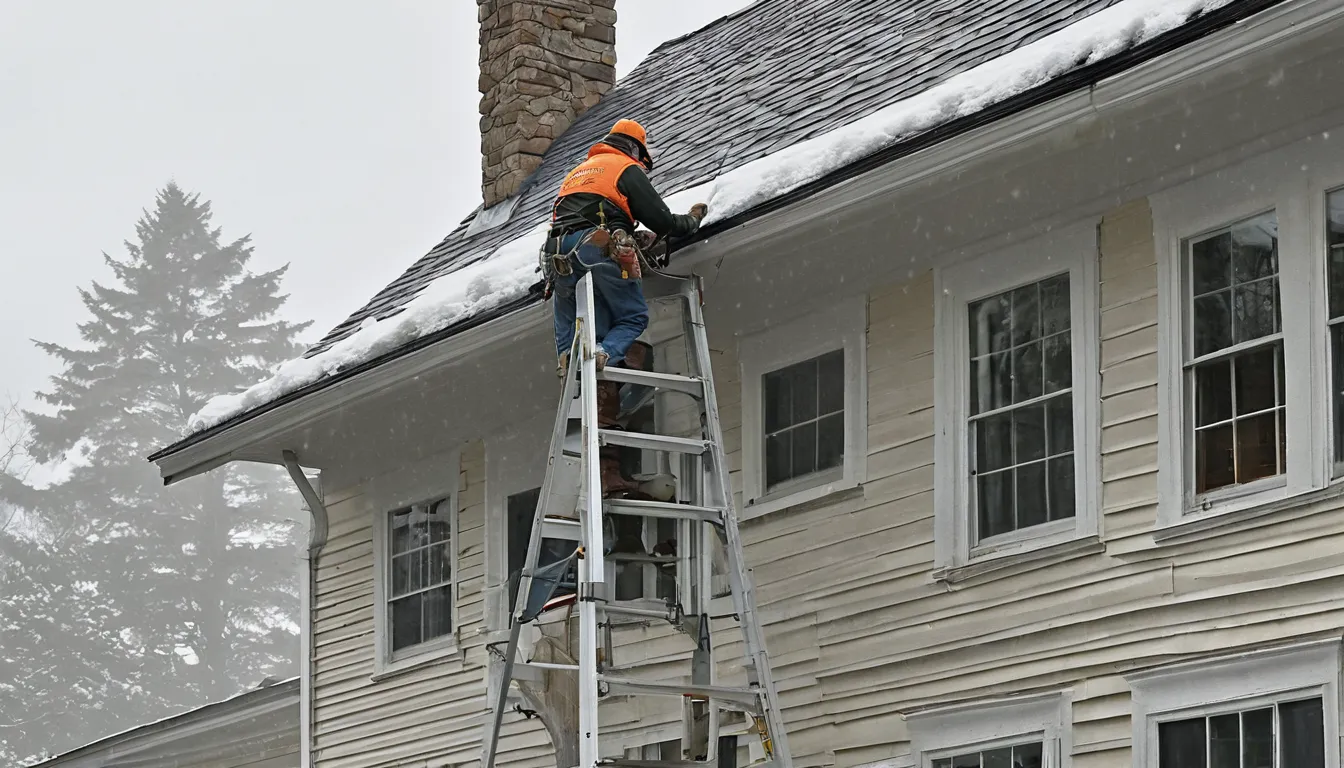
Scratching in the ceiling or a strange smell in the wall can make any homeowner uneasy. You are not alone, and this is a problem providers handle often. Depositdisappointed Pest Control is a referral service. We do not do the work. We match your request with an independent provider in our network.
A good provider finds how the animal got in, removes it with proper methods, and seals the entry point. Then comes the part many people skip: simple upkeep so it does not return. Older homes in the Murrysville area often have small gaps that animals use, so the follow-up matters. Request an estimate to get started.
Noises in the Attic or Walls? Start Here
It is a worrying sound. Scratching, thumping, or squeaking at night usually means something has moved in. The good news is that this is fixable, and you do not have to handle it alone.
A local provider in our network can find out what the animal is, where it got in, and how to remove it safely. Depositdisappointed Pest Control simply helps you reach one.
Your First Few Steps
Stay calm and keep your distance. Do not poke at the sound or block a hole yourself. You could trap an animal inside, and that often makes things worse.
Write down what you hear and when. Note any droppings, chewed wires, or smells. This helps a provider understand the problem fast.
Why Waiting Makes It Harder
Mice and rats chew. They can gnaw wood, insulation, and wire coverings. Chewed wiring is a fire concern, so it is worth taking seriously.
Some animals also nest and have young. A small problem in spring can turn into a bigger one by summer. Acting early usually means a simpler job.
Signs That Point to Rodents
Look for small, dark droppings near walls, cabinets, or the basement. Check for gnaw marks on boxes, food packaging, or baseboards. Greasy rub marks along walls are another clue.
You may also notice a musty, sharp smell. Pets that stare at one spot can be a sign too.
Signs of Larger Wildlife
Heavier thumping, loud scratching at dusk, or torn soffits and vents often point to squirrels, raccoons, or similar animals. Look for damaged roof edges, pulled insulation, or tracks near the foundation.
Animals Providers Commonly Handle
Providers in our network commonly deal with mice, rats, squirrels, raccoons, bats, and chipmunks. Skunks and opossums can settle under porches and decks.
Each animal needs a different approach. That is why a proper inspection comes first.
How the Visit Works
Most jobs follow a few clear stages. Here is what to expect.
Inspection
The provider checks the roofline, foundation, vents, and crawl spaces. They look for entry points and signs of activity. Then they explain what they found in plain words.
Removal and Exclusion
Next comes removal, using traps or one-way devices depending on the animal. After that, the provider seals openings with sturdy materials. Sealing is what keeps the problem from repeating.
Request a callback to check provider availability in your area.
Humane Handling and Local Rules
Many animals are protected by state or local rules. Some cannot be moved at certain times of year, such as when babies are in the nest. A responsible provider knows these rules and follows them.
Ask how the animal will be handled. A clear, calm answer is a good sign.
Cleanup and Repairs
After removal, droppings and soiled insulation may need cleaning. Some providers offer this. Others can point you to a specialist. Damaged wood, vents, or screens should be repaired so the gap does not reopen.
Some policies may cover sudden damage, so check your policy. Providers can often help document damage for a claim.
Ask Before You Hire
A few simple questions can save you stress. Ask them before you agree to any work.
What a Good Answer Sounds Like
A good provider explains the likely animal, the plan, and the written price. They tell you how they seal entry points. They also describe any follow-up visits and what the work includes.
Red Flags
Be careful if someone gives a price without seeing the home. Also watch for pressure to sign right away, vague answers about methods, or no mention of sealing. Those are signs to slow down and get another quote.
Fix It, Then Protect
Removal solves today's problem. Upkeep helps prevent the next one. Ask the provider what they would check each season.
Seasonal Upkeep for Cold Climates
Cold winters push animals indoors looking for warmth. Freeze-thaw cycles can open new cracks in stone and block foundations. Spring snowmelt can reveal gaps you could not see before.
A few habits help:
- Check foundation gaps, vents, and rooflines each fall and spring.
- Trim branches that touch the roof.
- Store food and pet food in sealed containers.
- Keep trash lids tight and firewood away from the house.
- Fix gutters and leaks that attract animals.
Older homes, full basements, and multi-family buildings may need a closer look. A yearly check can catch small gaps early.
What's Included
Inspection and Diagnosis
A provider finds the animal, the entry points, and the damage, then explains what they see.
Safe Removal
Traps or one-way devices are used, depending on the animal and local rules.
Sealing Entry Points
Gaps, vents, and rooflines are closed with durable materials to keep animals out.
Cleanup and Advice
Some providers clean droppings and share simple upkeep tips for your home.
Typical Rodent and Wildlife Removal Costs
Prices vary by animal, home size, and how hard the entry points are to reach. These are typical U.S. ranges only. Always get a written quote before work begins.
| Service | Typical range | Notes |
|---|---|---|
| Inspection | $75 – $300 | Sometimes applied toward the job |
| Mouse removal | $150 – $600 | Depends on number of visits |
| Rat removal | $300 – $900 | Often needs more follow-up |
| Squirrel or raccoon removal | $300 – $1,200 | Varies by access and nesting |
| Sealing entry points | $200 – $1,500 | Depends on gaps and materials |
| Droppings cleanup and insulation | $500 – $3,000 | Depends on size of the area |
How It Works
Share What You Notice
Tell us about the sounds, smells, or damage you have seen, and where in the home.
Get Matched Locally
We pass your request to an independent provider in our network near you.
Review the Plan and Quote
The provider inspects, explains the plan, and gives you a written quote.
Seal, Clean, and Keep It Up
After removal, entry points are closed, and you get simple tips to prevent a return.
Why Call Depositdisappointed Pest Control
Matched to Your Problem
Your request goes to a provider who handles rodents and wildlife in your area.
Clear Next Steps
Describe what you hear and see, and the provider explains what to expect.
Independent Providers
Each provider runs their own business, sets their own price, and does the work.
No Obligation
Request an estimate and compare it before you decide. Pressure is not part of the process.
Other Services
Need rodent & wildlife removal services in Murrysville?
Tell us what you are seeing at home. Send a request and a local provider in our network can follow up with a written quote.
No obligationRodent & Wildlife Removal Services FAQ
How do I know if I have mice or something bigger in my attic?
Small, quick scratching and tiny droppings often mean mice. Heavy thumping, loud noises at dusk, or torn vents point to larger animals like squirrels or raccoons. A provider can confirm after an inspection.
Is it safe to seal the hole myself?
It is risky. If an animal is still inside, sealing the hole can trap it, and it may chew or scratch to get out. It is safer to have a provider check first, then seal once the animal is gone.
How do I keep rodents and wildlife from coming back?
Seal gaps in the foundation, vents, and roofline. Keep food stored in tight containers, trim branches near the roof, and fix leaks. Checking the home each fall and spring helps catch small openings early.
Tell us what happened
Tell us what you are seeing at home. Send a request and a local provider in our network can follow up with a written quote.
No obligation